
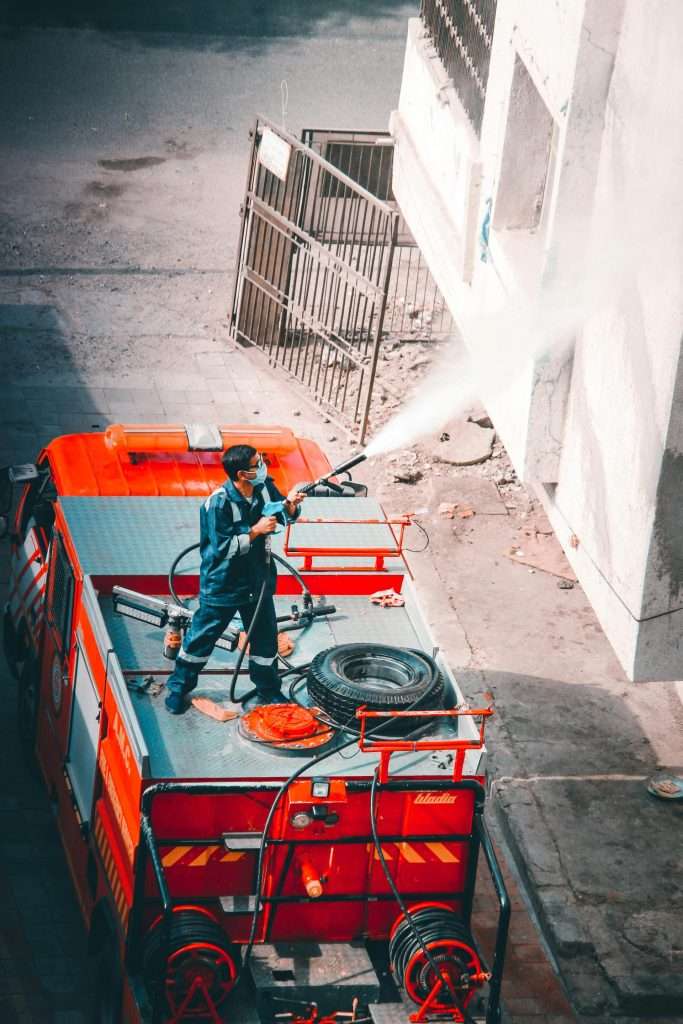
Our fire tender services use special vehicles, such as aerial ladder trucks. These trucks have hydraulic ladder systems to reach high places when fighting fires.
Fire tenders also have basic emergency medical equipment that can help to provide first help to the people during an emergency.
Have questions about fire tender? Here are answers to some of the most commonly asked questions to help you understand their features, uses, and role in modern firefighting operations.
A fire tender is a specialized firefighting vehicle equipped with water tanks, pumps, hoses, and rescue equipment used to respond to fire emergencies and protect lives and property.
The term “fire tenders” refers to firefighting vehicles designed to transport firefighters, water, firefighting agents, and emergency equipment to the scene of a fire or rescue operation.
Common types of fire tenders include water tenders, foam tenders, airport rescue fire tenders, industrial fire tenders, rescue fire vehicles, and aerial ladder fire tenders. Each type is designed for specific firefighting and rescue requirements.
The four main types of fire are:
• Class A: Fires involving wood, paper, cloth, and other ordinary combustibles.
• Class B: Fires involving flammable liquids such as petrol, diesel, and paint.
• Class C: Fires involving electrical equipment and energized electrical sources.
• Class D: Fires involving combustible metals such as magnesium, titanium, and aluminum.
A fire engine primarily carries pumps, hoses, and firefighting equipment, while a fire tender usually carries a larger water supply and firefighting agents to support fire suppression operations.
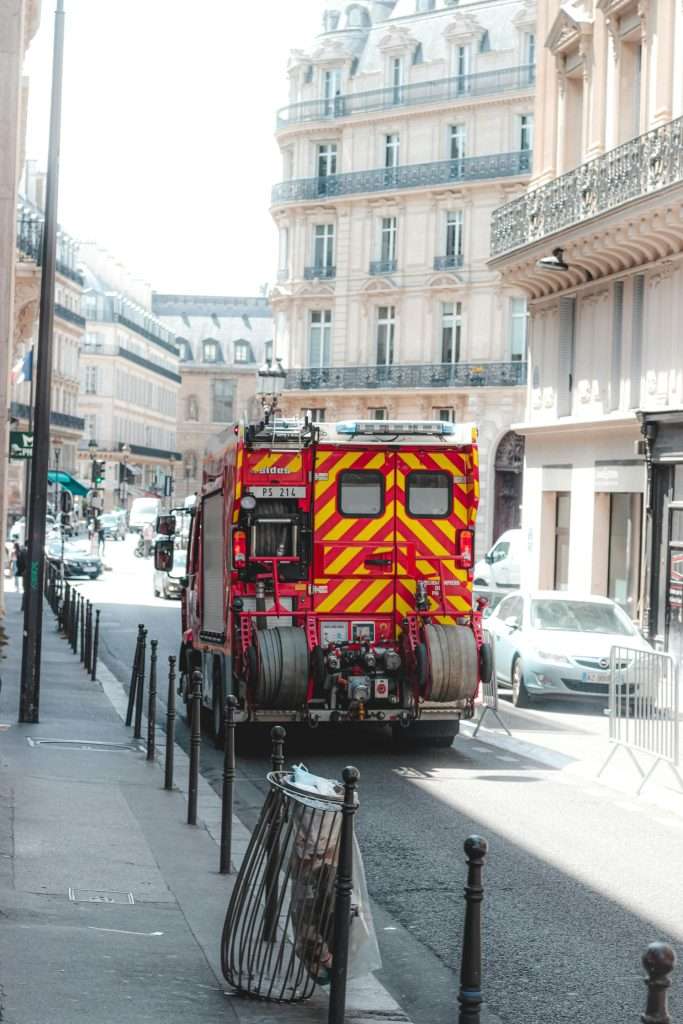
A fire tender typically carries water tanks, fire pumps, hose reels, nozzles, ladders, foam systems, breathing apparatus, rescue tools, and emergency lighting equipment.
Fire tenders play a crucial role in firefighting by providing rapid emergency response, transporting firefighters and equipment, supplying water and foam, and supporting rescue operations during emergencies.
A pumper, also known as an engine company vehicle, is the most common type of American fire engine. It carries a fire pump, water tank, hoses, and essential firefighting equipment used to attack and control structural fires.
Red became a traditional color for fire engines because it was highly visible and represented emergency services. However, many modern fire departments now use colors like lime yellow, white, or other high-visibility designs to improve visibility, especially at night.
The speed of a fire engine depends on its weight, design, and local regulations. Many fire engines can travel at highway speeds, but firefighters prioritize safe operation over speed during emergency responses.