When most people hear the words American fire engine, they immediately imagine a giant red fire truck racing through the streets with loud sirens and flashing lights. Hollywood helped create that image, but modern American fire engines are much more than dramatic emergency vehicles. They are highly advanced firefighting machines built for speed, rescue, safety, and large-scale emergency response.
Today, modern American fire trucks combine powerful engines, advanced pump systems, hydraulic ladders, rescue tools, and smart technology. Fire departments across the world study American firefighting systems because of their efficiency and innovation.
This guide explains the major types of fire engines, their features, specifications, and the technology that makes them essential for firefighting operations.
What Is an American Fire Engine?
An American fire engine is a specialized firefighting vehicle designed to transport firefighters, water, pumps, hoses, and rescue equipment during emergencies. These vehicles are commonly used by fire departments across the United States to respond to fires, road accidents, rescue operations, and hazardous situations.
Most American fire engines feature powerful water pump systems, large storage compartments, emergency lights, and high-capacity hoses. Many modern models also include advanced technology such as thermal imaging cameras, foam systems, and hydraulic rescue tools.
American fire engines are usually larger and more heavily equipped than standard firefighting vehicles used in many other countries. Their design focuses on quick emergency response, firefighter safety, and efficient fire suppression. The bright red color, loud sirens, and heavy-duty build make them one of the most recognizable emergency vehicles in the world.
Evolution of the American Fire Truck
Early firefighting vehicles depended on manual pumps and horse-drawn wagons. Firefighters had to work with limited equipment and slow response times.
Modern American fire trucks now include:
- diesel-powered engines
- computerized pump systems
- aerial ladders
- thermal imaging cameras
- GPS communication systems
Technology transformed the fire service from basic water delivery into a highly coordinated rescue operation.
Thankfully, firefighters no longer need horses sprinting through traffic. Modern roads already provide enough chaos on their own.
Types of Fire Engines Used in America & India
Different emergencies require different firefighting vehicles. That is why departments use several types of fire engines.
Pumper Fire Engine
A Pumper Fire Engine is one of the most commonly used firefighting vehicles designed to transport firefighters, water, hoses, and essential firefighting equipment to emergency locations. Its main function is to pump water at high pressure to control and extinguish fires quickly and efficiently.
These fire engines usually include:
- a built-in water tank
- high-capacity pump system
- hose reels
- ladders and rescue tools
Pumper fire engines play a major role in residential, commercial, and industrial firefighting operations. Fire departments use them as first-response vehicles because they can handle multiple emergency situations effectively.
In simple terms, a pumper fire engine works like a mobile firefighting station—fast, powerful, and always ready when emergencies strike.
Ladder Trucks
Ladder trucks are specialized fire fighting vehicles equipped with long hydraulic ladders used for high-rise rescue and firefighting operations. Fire departments use these trucks to reach upper floors of buildings, rescue trapped people, and spray water from elevated positions during emergencies.
Modern ladder trucks include advanced features such as rotating platforms, water monitors, rescue cages, and stabilization systems for safe operation. These vehicles play a crucial role in urban areas where tall buildings and narrow access points make firefighting more challenging.
Rescue Fire Trucks
Rescue fire trucks are specialized emergency vehicles designed to support firefighters during rescue operations, accidents, and fire emergencies. Unlike standard fire engines, these trucks carry advanced rescue equipment such as hydraulic cutters, spreaders, ladders, medical kits, breathing apparatus, and emergency lighting systems. Fire departments use rescue fire trucks to handle situations like road accidents, building collapses, industrial emergencies, and high-risk rescue operations.
Modern rescue fire trucks combine firefighting capabilities with life-saving rescue tools, allowing emergency teams to respond quickly and efficiently. Their fast response time, advanced equipment, and multi-purpose design make them an essential part of modern fire and rescue services.
Tanker or Tender Fire Engines
Tankers transport large amounts of water to locations with limited water supply.
Rural fire departments commonly use these vehicles because hydrants may not always be available.
Wildland Fire Engines
Wildland engines operate in forests and off-road areas.
These vehicles feature:
- off-road tires
- compact body design
- high ground clearance
They help firefighters control wildfires in difficult terrain.
Main Features of an American Fire Engine
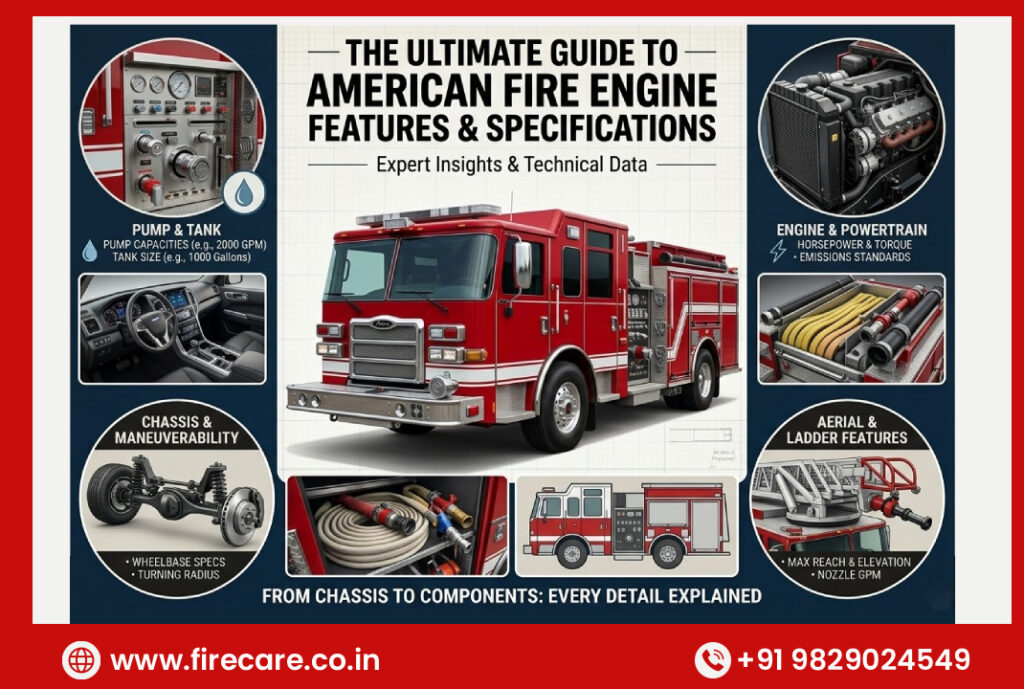
Modern American fire engine designs focus on performance, durability, and firefighter safety.
High-Capacity Water Tanks
Most fire engines carry onboard water storage.
Typical tank capacities range from:
- 500 gallons
- 1000 gallons
- 3000+ gallons for tenders
Water tanks allow firefighters to begin operations immediately after arrival.
Advanced Pump Systems***
The pump acts as the heart of a fire engine.
Modern systems can deliver thousands of gallons per minute depending on the vehicle specification.
High-pressure pumps help firefighters:
- control structural fires
- operate hose lines
- support aerial ladder operations
Hose and Nozzle Systems
A fire truck carries several types of hoses for different firefighting situations.
These include:
- attack hoses
- supply hoses
- booster reels
Quick deployment systems improve response speed during emergencies.
Foam Suppression Systems
Foam systems help suppress:
- fuel fires
- oil fires
- chemical fires
Airports and industrial facilities often rely on foam-equipped fire trucks.
Hydraulic Ladder Technology
Ladder trucks use hydraulic systems to extend ladders safely and efficiently.
These ladders help firefighters:
- rescue trapped people
- ventilate roofs
- spray water from elevated positions
Modern systems also include stabilization outriggers for safe operation.
Firefighter Safety Features
Modern fire engines prioritize firefighter protection.
Common safety features include:
- reinforced cabins
- thermal imaging systems
- seatbelt monitoring
- rollover protection
Fire departments continuously improve safety standards to reduce injuries.
Technical Specifications of American Fire Trucks
Different fire departments choose vehicles based on local requirements.
However, most American fire truck specifications include the following.
Engine Power
Most fire engines use heavy-duty diesel engines.
Power output typically ranges between:
- 350 HP
- 600+ HP
Strong engines help large vehicles carry heavy equipment and water tanks.
Pump Capacity
Pump ratings usually measure gallons per minute (GPM).
Common ratings include:
- 1250 GPM
- 1500 GPM
- 2000 GPM
Higher ratings support larger firefighting operations.
Vehicle Chassis
Manufacturers use either:
- custom chassis
- commercial chassis
Custom chassis improve maneuverability and equipment integration.
Ladder Height
Ladder trucks come in several sizes.
Common aerial ladder heights include:
- 75 feet
- 100 feet
- 135 feet
Large cities often require taller ladders because of high-rise buildings.
Technology Used in Modern Fire Engines
Technology now plays a major role in firefighting operations.
Thermal Imaging Cameras
Thermal cameras help firefighters see through smoke and locate heat sources.
They improve:
- victim search operations
- fire detection
- firefighter safety
GPS and Communication Systems
Modern fire engine vehicles use GPS tracking and digital communication systems for faster dispatch coordination.
Smart Pump Controls
Digital pump panels improve pressure management and water control during firefighting operations.
Electric and Hybrid Fire Trucks
Several manufacturers now develop electric fire trucks to reduce emissions and improve efficiency.
These vehicles represent the future of firefighting technology.
Popular American Fire Truck Manufacturers
Several manufacturers dominate the American firefighting industry.
Pierce Manufacturing
Known for custom fire apparatus and durable designs.
Rosenbauer America
Produces advanced firefighting and rescue vehicles worldwide.
E-ONE
Popular for pumpers, aerials, and rescue trucks.
Ferrara Fire Apparatus
Specializes in municipal and industrial fire vehicles.
Spartan Emergency Response
Focuses on custom emergency response vehicles and chassis technology.
American Fire Engine vs International Fire Engines
American fire trucks often differ from international models in:
- size
- pump capacity
- ladder configuration
- water tank design
Urban infrastructure also influences vehicle design.
For example:
- European vehicles prioritize compact maneuverability
- American vehicles often prioritize larger capacity and equipment storage
Challenges Faced by Fire Trucks
Even advanced fire trucks face operational challenges.
Traffic Congestion
Heavy traffic delays emergency response.
Narrow Streets
Large trucks struggle in older urban areas.
High-Rise Fires
Tall buildings require advanced aerial systems.
Water Supply Limitations
Rural operations often require tanker support.
Future of American Fire Engines
The future of firefighting technology looks highly advanced.
Upcoming innovations may include:
- AI-assisted systems
- electric fire trucks
- drone integration
- automated suppression systems
Manufacturers continue improving firefighter safety and emergency response efficiency.
Final Thoughts
The modern American fire engine represents far more than a large red truck with flashing lights. It is a highly engineered emergency response system designed to save lives, protect property, and support firefighters during dangerous situations.
From pumpers and ladder trucks to rescue units and tankers, different types of fire engines play critical roles in modern firefighting operations.
As technology continues to evolve, the future of the American fire truck industry will focus on smarter systems, safer operations, and faster emergency response.
Because when emergencies happen, every second matters—and a well-equipped fire engine can make all the difference.
Frequently Asked Questions (FAQs)
What is an American fire engine?
An American fire engine is a specialized emergency vehicle used by fire departments across the United States to transport firefighters, water, pumps, hoses, and firefighting equipment. These vehicles are designed to respond quickly to fires, rescue operations, hazardous material incidents, and other emergencies.
What is the difference between an American fire engine and a fire truck?
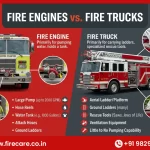
Although people often use the terms interchangeably, they have different purposes.
- Fire Engine: Carries a water tank, pump, hoses, and equipment used to fight fires.
- Fire Truck: Usually carries aerial ladders, rescue tools, ventilation equipment, and specialized gear.
Many modern American fire departments use both vehicles together during large emergencies.
Why are American fire engines so big?
American fire engines are larger because they carry extensive firefighting equipment, larger water tanks, powerful pumps, advanced communication systems, and safety equipment. Their larger size also allows them to support firefighters during long or complex emergency operations.
How much does an American fire engine cost?
The cost of an American fire engine depends on its type, size, technology, and customization. A standard fire engine can cost several hundred thousand dollars, while advanced aerial ladder trucks and specialized rescue vehicles can cost over one million dollars.
What are the different types of American fire engines?
Common types of American fire apparatus include:
- Pumper fire engines
- Aerial ladder trucks
- Tower ladder trucks
- Rescue trucks
- Tanker (tender) trucks
- Wildland fire engines
- Aircraft rescue and firefighting (ARFF) vehicles
- Hazardous materials (HazMat) units
Each vehicle is built for a specific emergency response role.
What is a pumper fire engine?
A pumper, also known as an engine company vehicle, is the most common type of American fire engine. It carries a fire pump, water tank, hoses, and essential firefighting equipment used to attack and control structural fires.
How much water does an American fire engine carry?
Most American pumper fire engines typically carry between 500 and 1,000 gallons (approximately 1,900 to 3,800 liters) of water, although the capacity varies based on vehicle design and department needs.
What is the most common fire engine in America?
The pumper fire engine is the most widely used fire apparatus in the United States because it can perform multiple tasks, including water supply, fire suppression, and initial emergency response.
Why are American fire engines usually red?
Red became a traditional color for fire engines because it was highly visible and represented emergency services. However, many modern fire departments now use colors like lime yellow, white, or other high-visibility designs to improve visibility, especially at night.
What is the lifespan of an American fire engine?
A well-maintained American fire engine can remain in service for 15 to 25 years or more. The lifespan depends on usage, maintenance schedules, environmental conditions, and department policies.
How fast can an American fire engine go?
The speed of an American fire engine depends on its weight, design, and local regulations. Many fire engines can travel at highway speeds, but firefighters prioritize safe operation over speed during emergency responses.
What is the largest fire truck in America?
Some of the largest American firefighting vehicles include aerial ladder trucks with ladders extending over 100 feet and specialized airport rescue and firefighting vehicles designed for aircraft emergencies.
What is the difference between a fire engine and a fire tender?
A fire engine usually includes a pump, water tank, and firefighting equipment for immediate response. A fire tender primarily transports larger amounts of water or firefighting agents to support operations where water supplies are limited.
Are American fire engines different from fire engines in other countries?
Yes. American fire engines often have larger bodies, higher equipment capacity, larger engines, and different vehicle designs compared with many European or Asian fire apparatus. Their design reflects the operational needs, road conditions, and firefighting practices used in the United States.
What is the purpose of an American ladder truck?
An American ladder truck provides access to tall buildings, supports rooftop operations, helps with ventilation, and assists firefighters during high-rise rescues.
Can American fire engines handle all types of fires?
No. Different fire emergencies require different apparatus and equipment. Fire departments may use pumpers, foam units, wildland engines, HazMat vehicles, or rescue trucks depending on the nature of the incident.
Why are American fire engines considered advanced?
American fire engines are known for their powerful pumps, customized designs, advanced safety features, specialized equipment, and ability to handle various emergency situations.
Also you can check my linkedIn account for latest new and information regarding fire safety.