Fire Brigade Vehicle in India: Complete Guide to Fire Engines, Fire Tenders & Fire Fighting Vehicles
When most people hear the words fire brigade vehicle, they immediately picture a loud siren, flashing red lights, and firefighters rushing through traffic like an action movie scene. And honestly, that image is not far from reality.
A fire engine or fire fighting vehicle is one of the most important emergency response machines in modern cities. These vehicles help firefighters control dangerous fires, rescue people, and protect property during emergencies.
Today, India uses several types of fire brigade trucks, fire tender vehicles, and specialized firefighting systems across industries, airports, residential areas, and commercial zones.
This guide explains everything about fire brigade vehicles in India, including their types, uses, equipment, and manufacturers. If you want to understand how these vehicles work and why they matter, this article will help.
What Is a Fire Brigade Vehicle?
A fire brigade vehicle is a specially designed emergency vehicle used by firefighters to control fires, perform rescue operations, and respond quickly during emergencies. These vehicles carry essential firefighting equipment such as water tanks, pumps, hoses, ladders, and rescue tools. People also call them fire engines, fire brigade trucks, or fire fighting vehicles. Modern fire brigade vehicles help fire departments protect lives, property, and public safety during fire-related incidents.
In India, fire departments and private industries use these vehicles to handle emergencies quickly and efficiently.
Why Fire Fighting Vehicles Are Important
Fire fighting vehicles play a critical role in emergency response and public safety. These vehicles help firefighters reach fire locations quickly while carrying essential equipment such as water pumps, hoses, rescue tools, and suppression systems. A modern fire engine can control fires, rescue trapped people, and reduce property damage before the situation becomes more dangerous.
In busy cities and industrial areas, fast response time can save lives. That is why advanced fire fighting vehicles are essential for homes, offices, factories, airports, and commercial buildings. Without these vehicles, handling large fires and emergency rescue operations would become extremely difficult. Without these vehicles, controlling large fires becomes extremely difficult.
Types of Fire Brigade Vehicles in India
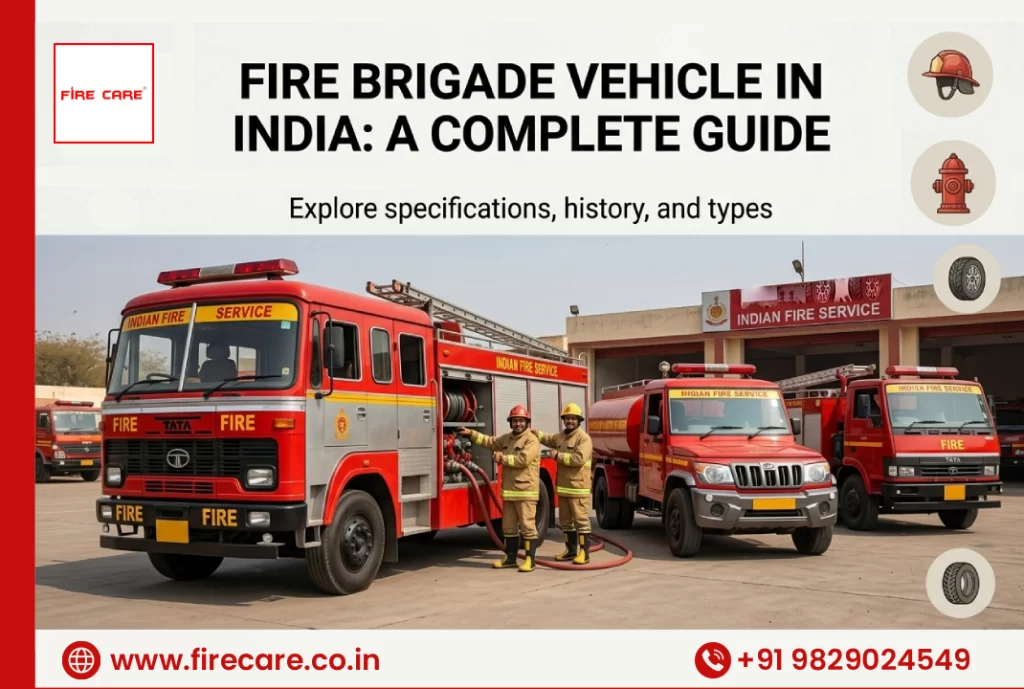
India uses different types of fire brigade vehicles to handle various fire and rescue emergencies. The most common vehicles include fire engines, fire tender vehicles, water tenders, foam tenders, and rescue vans. Fire engines carry water, pumps, hoses, and firefighting tools for general fire emergencies, while foam tenders handle fuel and chemical fires in industries and airports. Rescue vehicles support accident and emergency rescue operations with specialized equipment. High-rise buildings often require aerial ladder platform vehicles that help firefighters reach upper floors quickly. Each fire fighting vehicle serves a specific purpose and helps improve emergency response across residential, commercial, and industrial areas in India.
Fire Engine
A fire engine is the most commonly used firefighting vehicle designed to carry firefighters, water pumps, hoses, ladders, and emergency rescue tools. These vehicles respond quickly to residential, commercial, and industrial fire emergencies and play a major role in controlling fires at an early stage.
These vehicles respond to:
- residential fires
- commercial fires
- road accidents
A standard fire engine India setup includes a high-pressure pump system for water discharge.
Fire Tender Vehicle
A fire tender vehicle is a specialized firefighting truck that mainly transports large quantities of water, foam, and firefighting equipment. Industries, airports, factories, and municipal fire departments commonly use these vehicles for large-scale fire emergencies.
Some advanced fire tenders also carry foam systems for fuel fires.
Water Tender
A water tender is a firefighting vehicle designed primarily for carrying and supplying water during fire operations. These vehicles support firefighting activities in areas where water sources are limited or unavailable.
Foam Tender
A foam tender is a specialized fire vehicle equipped with foam-based firefighting systems used to control flammable liquid fires such as petrol, diesel, oil, and chemical fires. Refineries, airports, and chemical industries often use foam tenders for high-risk environments.
Rescue Fire Vehicle
A rescue fire vehicle is designed for emergency rescue operations during fires, accidents, or disasters. These vehicles carry rescue tools, hydraulic cutters, medical equipment, and emergency response gear to help firefighters rescue trapped individuals quickly and safely.
These vehicles assist during:
- building collapses
- accidents
- emergency rescue operations
Aerial Ladder Platform Vehicles
Aerial ladder platform vehicles are advanced firefighting vehicles equipped with hydraulic ladders or platforms that can reach high-rise buildings. Firefighters use these vehicles for rescue operations, high-level firefighting, and accessing difficult areas during emergencies.
They help firefighters:
- rescue trapped people
- spray water from height
- access difficult areas
High-rise buildings often depend on these systems.
Main Components of a Fire Fighting Vehicle
Modern fire brigade trucks contain several important systems.
Water Tank
Most vehicles carry onboard water storage for immediate firefighting operations.
Pump System
The pump creates high water pressure for firefighting hoses.
Hose Reels
Firefighters use hose reels to direct water onto flames.
Foam System
Foam systems suppress flammable liquid fires effectively.
Emergency Lighting and Sirens
Sirens and warning lights help vehicles move quickly through traffic.
Because apparently, regular honking is not enough when you are trying to save a burning building.
Fire Engine India: Growing Demand for Modern Vehicles
India continues to invest heavily in modern firefighting infrastructure.
Several factors increase demand for advanced fire fighting vehicles:
- rapid urbanization
- industrial growth
- high-rise construction
- stricter fire safety regulations
Cities now require better emergency response systems and modern equipment.
Fire Fighting Vehicle Manufacturers in India
Several companies manufacture specialized fire fighting vehicles in India.
Municipal Fire Engines: Municipal fire engines are standard firefighting vehicles used by city fire departments to handle residential, commercial, and urban fire emergencies. These vehicles carry water tanks, pumps, hoses, ladders, and rescue tools for quick emergency response.
Industrial Fire Tenders: These are specialized firefighting vehicles designed for factories, refineries, warehouses, and chemical plants. They often include high-capacity pumps, foam systems, and advanced firefighting equipment to control industrial fires efficiently.
Airport Rescue Vehicles: High-speed emergency response vehicles used at airports to handle aircraft fire incidents and rescue operations. These vehicles carry large water and foam tanks and can quickly suppress aviation fuel fires.
Foam Tenders: This is firefighting vehicles equipped with foam-based suppression systems. They are commonly used for fires involving flammable liquids such as petrol, diesel, chemicals, and oil. Industries and airports frequently use foam tenders for high-risk fire protection.
Rescue Vans: Rescue vans are emergency vehicles designed to support rescue operations during accidents, building collapses, and disaster situations. These vans carry rescue tools, medical kits, hydraulic cutters, and emergency response equipment to assist firefighters and rescue teams quickly.
Manufacturers focus on:
- high-pressure pump systems
- durable vehicle chassis
- customized firefighting equipment
Many suppliers also offer maintenance and after-sales support.
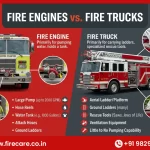
Fire Brigade Van vs Fire Engine: What Is the Difference?
People often confuse a fire brigade van with a full-sized fire engine.
The difference mainly depends on capacity and application.
| Vehicle Type | Main Use |
| Fire brigade van | Small emergency response |
| Fire engine | Full firefighting operations |
| Fire tender vehicle | Water and foam transport |
| Rescue vehicle | Rescue and medical operations |
Smaller vehicles work well in narrow urban streets where large trucks struggle to enter.
How Firefighters Use Fire Engines During Emergencies
A standard emergency response usually follows these steps:
Step 1: Emergency Call Received
The fire station dispatches the nearest available vehicle.
Step 2: Rapid Response
The fire brigade gadi travels to the location using sirens and emergency lights.
Step 3: Site Assessment
Firefighters assess:
- fire type
- building structure
- rescue needs
Step 4: Fire Suppression
Teams deploy hoses, foam systems, or rescue tools.
Step 5: Rescue and Safety Control
Firefighters rescue trapped people and secure the area.
Fire Safety Challenges in Indian Cities
Large Indian cities face several firefighting challenges.
Traffic Congestion
Heavy traffic delays emergency response.
Narrow Roads
Older urban areas often have roads too small for large fire brigade trucks.
High-Rise Buildings
Tall buildings require specialized ladder systems and advanced equipment.
Industrial Risks
Factories and chemical plants require advanced foam and suppression systems.
Smart Technology in Modern Fire Vehicles
Modern fire fighting vehicles now use advanced technologies such as:
- GPS tracking
- thermal imaging cameras
- hydraulic rescue systems
- automated pump controls
These upgrades improve response speed and firefighter safety.
Maintenance of Fire Brigade Vehicles
Regular maintenance keeps emergency vehicles ready for action.
Maintenance includes:
- pump testing
- hose inspection
- engine servicing
- foam system checks
Fire departments follow strict maintenance schedules because emergency vehicles cannot afford breakdowns.
Nobody wants a firefighter saying, “Sorry, the truck battery died.”
Tips for Industries Choosing Fire Fighting Vehicles
Industries should evaluate:
- fire risk level
- water requirements
- chemical hazards
- building size
Choosing the correct fire fighting vehicle improves safety and emergency preparedness.
Future of Fire Engines in India
India’s fire safety sector continues to evolve rapidly.
Future vehicles may include:
- electric fire engines
- AI-assisted monitoring
- smart suppression systems
- drone integration
Technology continues to improve firefighting efficiency and response time.
Final Thoughts
A fire brigade vehicle is far more than a truck with a siren. It is a complete emergency response system designed to save lives, control fires, and protect communities.
From compact fire brigade vans to advanced fire tender vehicles, these machines play a critical role in modern fire safety infrastructure.
As Indian cities continue to grow, the need for advanced fire fighting vehicles and reliable emergency systems will continue to increase.
Because when emergencies happen, speed matters. Equipment matters. And having the right fire engine nearby matters a lot more than people realize.
Frequently Asked Questions (FAQs)
What is a fire brigade vehicle?
A fire brigade vehicle is a specially designed emergency vehicle used to transport firefighters, water, pumps, hoses, and rescue equipment during fire emergencies.
What is the difference between a fire engine and a fire tender?
A fire engine mainly carries firefighting tools and pump systems, while a fire tender vehicle focuses more on transporting water and firefighting agents for larger operations.
What are the different types of fire fighting vehicles?
Common types of fire fighting vehicles include:
- fire engines
- water tenders
- foam tenders
- rescue vehicles
- aerial ladder platforms
- airport crash fire tenders
Each vehicle handles different emergency situations.
What equipment does a fire engine carry?
A modern fire engine vehicle usually carries:
- water tank
- hoses
- pumps
- ladders
- foam systems
- rescue tools
- breathing apparatus
These tools help firefighters control fires and perform rescues.
What is the main purpose of a fire tender vehicle?
A fire tender vehicle supplies water, foam, and firefighting equipment during emergencies. Industries, airports, and municipal fire departments commonly use these vehicles.
Which vehicle is used by firefighters in India?
Fire departments in India use several vehicles, including:
- fire brigade trucks
- fire engines
- rescue vans
- aerial ladder platforms
- foam tenders
The type depends on the emergency and operational requirement.
What is the cost of a fire fighting vehicle in India?
The cost of a fire fighting vehicle in India depends on:
- vehicle type
- water tank capacity
- pump system
- rescue equipment
- customization
Basic fire vehicles cost less, while advanced airport or industrial fire tenders cost significantly more.
Who manufactures fire fighting vehicles in India?
Several specialized companies like firecare manufacture fire fighting vehicles in India. These manufacturers produce municipal fire engines, industrial fire tenders, rescue vehicles, and customized firefighting systems.
What is the role of a fire brigade truck during emergencies?
A fire brigade truck helps firefighters:
- reach the emergency quickly
- transport water and equipment
- suppress fires
- rescue trapped people
It acts as a mobile emergency response unit.
Why are fire engines red?
Traditionally, many fire engines use red paint because it remains highly visible during emergencies. However, some departments now use yellow or lime-green vehicles for better visibility at night.
What is a foam tender vehicle?
A foam tender is a specialized fire vehicle that uses firefighting foam to control fuel and chemical fires. Industries, airports, and oil facilities often use these vehicles.
What is a rescue fire vehicle?
A rescue vehicle carries tools used during:
- accidents
- building collapses
- emergency rescues
These vehicles may include hydraulic cutters, medical kits, and rescue gear.
How do firefighters use a fire engine?
Firefighters use the vehicle’s pumps, hoses, ladders, and suppression systems to control fires, rescue victims, and secure emergency scenes.
What challenges do fire brigade vehicles face in Indian cities?
Common challenges include:
- traffic congestion
- narrow roads
- high-rise buildings
- industrial hazards
These factors can slow emergency response time.
Why is regular maintenance important for fire fighting vehicles?
Regular maintenance ensures that the vehicle, pumps, hoses, and emergency systems work properly during emergencies. Fire departments perform routine inspections to maintain readiness.
What is the future of fire engines in India?
Modern fire engine India systems may include:
- electric fire vehicles
- smart monitoring systems
- thermal cameras
- AI-assisted firefighting tools
Technology continues to improve fire response efficiency and safety.
Can small fire vans handle large fires?
A fire brigade van works well for small or quick-response emergencies, but large fires usually require bigger fire engines and additional support vehicles.
Which fire vehicle is used for high-rise buildings?
Aerial ladder platform vehicles are designed for high-rise operations. These vehicles use hydraulic ladders to rescue people and spray water from height.
What is the most commonly used fire fighting vehicle?
The fire engine remains the most commonly used firefighting vehicle worldwide because it handles a wide range of emergencies.
Why are fire fighting vehicles important?
Fire fighting vehicles save lives, reduce property damage, and help emergency teams respond quickly during fires, accidents, and rescue situations.
Read Also: Types of Fire Extinguishers and Their Uses in Commercial Buildings
Then: Why Fire Safety Is Mandatory for Commercial and Industrial Buildings