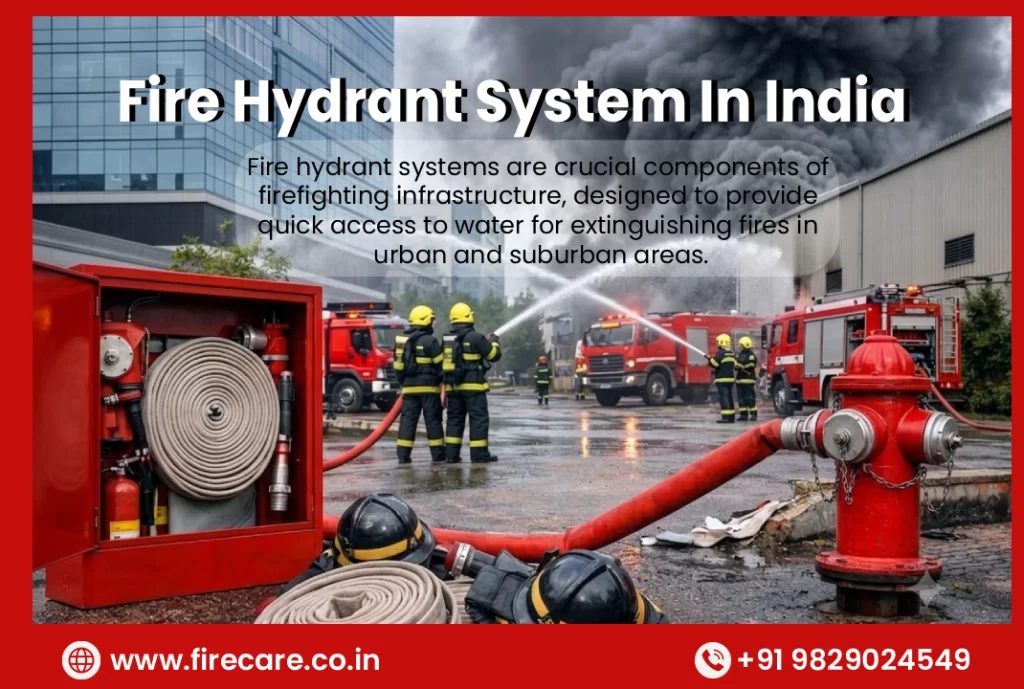
A Comprehensive Guide to Fire Hydrant Systems – Types And Their Uses
It is very crucial to ensure fire safety for the protection of various lives, buildings and valuable belongings. No matter if it is a residential building, a commercial or industrial facility, a hospital, a school, or a warehouse, having a good fire hydrant system may minimise the bad effects of a fire incident. Fire hydrant systems are made to aid fire departments by giving them water all the time under pressure during the firefighting process.
With the development of urban areas and stricter regulations connected with fire safety in the process, installing a good fire hydrant network has turned into an important measure for safety, as well as a legal requirement that should be fulfilled by law. If property owners know how the fire hydrant systems work, which types of fire hydrants exist, and where they are employed, they will take the right decisions concerning the observance of safety rules.
In this ultimate guide, you will discover all the information about the fire hydrant system and the ways it works, its parts and types, as well as their real use.
What is a Fire Hydrant System?
Hydrant systems constitute a kind of active fire safety equipment that permits the distribution of pressurised water in emergency situations. In broad terms, hydrants represent a system of underground or overground piping connected to certain types of water sources, such as municipal pump systems, tanks or reservoirs.
Thanks to hydrant systems, firefighters can easily connect hoses to the hydrants, thus having the possibility to receive water needed for carrying out firefighting activities. Unlike the extinguishing systems designed for small fires, hydrant systems are used for firefighting in cases of large fires in commercial, industrial and residential buildings.
Water hydrants are effective as a fire extinguishing apparatus if they are installed properly and maintained regularly and if there is sufficient water pressure in the fire hydrants.
Why is a Fire Hydrant System Important?
Fire emergencies can escalate in just a few minutes. The rapid availability of water can be the deciding factor between a minor event and a major catastrophe.
Hydrant systems allow firefighters to have immediate access to water, so the suppression process starts without waiting for water tankers or any other source. A quick response limits damage to property, secures people in the area, and minimises the chance of injuries or deaths.
Fire hydrants can help protect areas using combustible materials to manufacture products. That is why they are vital to manufacturing facilities, chemical plants, warehouses, and logistics companies. They are also essential for high-rise buildings, shopping centres, hospitals, and universities.
How Does a Fire Hydrant System Work?
Fire hydrants operate on a simple but effective principle. They draw water from the underground reservoir or from the municipal water systems in the area, with the help of powerful fire pumps.
Once firefighters arrive at the fire scene, they connect hoses to the nearest fire hydrant and open the fire hydrant’s valve, and pressurised water flows through the hose easily at the point where it is to be directed.
Several modern hydrant systems are also connected with automatic fire detection systems, sprinkler systems, and fire alarm panels for an efficient fire protection system.
Main Components of a Fire Hydrant System
Typical fire hydrant systems have a variety of parts that work together to deliver water effectively in the case of emergencies.
The primary water source is the water storage tank, which keeps a sufficient supply of water in case the municipal water supply does not have the right pressure. Fire pumps increase the water pressure to allow it to flow smoothly through the system. Water is transfer via underground and above-ground pipelines to the hydrant locations throughout the building.
Hydrant valves are use to connect the hydraulic hoses, while landing valves are typically installed inside buildings to help ensure the firefighting process is efficient on all levels. Hose reels, pipes, pressure gauges, control valves, and monitoring devices enhance the fire hydrant system’s efficiency and reliability.
All of the components of the fire hydrant system have to undergo regular checks in order to ensure that the whole system works properly when needed.
Types of Fire Hydrants
Getting to know the different types of fire hydrants helps property owners choose the most suitable solution, considering the surrounding environment, building layout, and what operations really need.
Wet Barrel Fire Hydrant
A wet barrel hydrant is a kind of hydrant that is most widely use in areas with temperatures above freezing year-round.
This type of hydrant keeps all the water inside the hydrant itself and has independent valves for each outlet so that one outlet can continue to used without damaging other outlets.
With the water always available in wet barrel hydrants, these hydrants produce a quicker response time, and it is easier to maintain them than dry barrel hydrants.
Dry Barrel Fire Hydrant
A dry barrel hydrant has been specifically built to be used in cold climates and areas where the freezing of water in a hydrant may happen and can result in serious damage.
Unlike wet barrel technologies, the water is always underground with dry barrel ones until the hydrant is activated. When the valve is opened, the water comes from underground and goes to the hydrant and hose.
When the hydrant is used, the water that is left will automatically flow out of the hydrant and will not freeze during the winter.
Dry barrel hydrants are characterised by high durability and are installed in regions with snow and sub-zero temperatures.
Pillar Fire Hydrant
Pillar fire hydrants rise vertically, making them easily visible for fire-fighting services to access and operate in times of emergency.
The hydrant can be found either on the roadside, in commercial and industrial places, at airports or in business complexes since the hydrant being elevated makes it possible to locate.
Pillar hydrants are generally known for their performance and easy maintenance, and for compatibility with high-capacity firefighting.
Underground Fire Hydrant
Underground hydrants are kept safely hidden under ground-level covers.
Such devices are suitable in places where the aesthetic aspect has to prevail, for example, upscale residential neighbourhoods and parks, pedestrian areas, and historical places.
To gain access to the hydrants, firefighters need a key; however, underground hydrants are almost immune to possible damage caused by fire truck vehicles and vandalism.
Wall Fire Hydrant
Wall hydrants are installed within the premises of the buildings. These hydrants are widely used in commercial buildings, shopping plazas, hospitals, hotels, schools, and industrial installations.
These wall-mounted hydrants allow quick access to water for firefighters and other trained personnel to initiate the firefighting operation, even before the arrival of professional help.
Wall hydrants may contain the hose reel, landing valve, and firefighting accessories inside the fireproof cabinet.
Types of Fire Hydrant System in India
India primarily uses wet riser, dry riser, yard hydrant, underground hydrant, wet barrel, and dry barrel systems depending on building type and climate conditions.
| System Type | Where It Is Used | Water in Pipes | Key Requirement | Governing Standard |
| Wet Riser | Buildings above 15 metres | Always pressurised | Landing valve at every floor | NBC Part 4, IS 5290 |
| Dry Riser | Buildings up to 15 metres | Empty until used | Inlet breeching at ground level | NBC Part 4 |
| Yard Hydrant | Factories and campuses | Pressurised | 45 to 60 metre spacing | IS 908:2019 |
| Underground Hydrant | Public roads and urban zones | Pressurised | Surface access cover | IS 908:2019 |
| Wet Barrel | Warm regions | Always wet | Above 0°C use | IS 908:2019 |
| Dry Barrel | Cold regions | Dry until opened | Freeze protection | IS 908:2019 |
Applications of Different Fire Hydrant Systems
Different places need kinda different fire hydrant system setups, not just because of general design, but because of occupancy levels, the actual fire risk, how tall the building gets, and what the operations people will require day to day.
In residential complexes, wall hydrants are usually paired with external pillar hydrants, so both residents and firefighters can reach water quicker. Commercial buildings tend to merge hydrants with automatic sprinkler systems, plus smoke detectors and fire alarms, so the protection works as a more complete whole.
Industrial facilities, on the other hand, often lean toward hydrant arrangements with bigger water capacity, since they must feed large volumes to shield machinery, storage zones, and even hazardous materials. Oil refineries, chemical plants, and manufacturing units may use high-pressure fire pumps, which are tied into wider hydrant networks.
Hospitals use hydrants with the idea that patients may not move fast, or at all, during an emergency. Educational institutions place hydrants across the campus to safeguard students, faculty, laboratories, libraries, and hostels too.
Also, airports, railway stations, ports, shopping malls, hotels, warehouses, and logistics centres depend a lot on well-planned water hydrant infrastructure, because emergencies rarely wait and the response has to stay effective.
Benefits of Installing a Fire Hydrant System
The availability of water during situations of fire emergency becomes one of the most important advantages of having a fully functional system of fire hydrants installed at the premises.
Portable fire extinguishers have a limited amount of chemical and can only operate in cases of limited discharge. On the other hand, hydrants allow for uninterrupted water supply until an infinite source of freshwater runs out.
Another major benefit of fire hydrant systems is ensuring the greater efficiency of firefighters. Due to properly placed fire hydrants, it takes less time for firefighters to respond to fire emergencies.
When processing applications from commercial property owners, insurance companies are likely to take into account those properties that have fire protection systems integrated into the existing property, which may lead to a lowering of insurance rates. That also allows businesses to comply with fire regulations and avoid legal penalties in the future.
Finally, business owners demonstrate their commitment to their employees and customers by ensuring continuity of operation by installing fire hydrants at their premises.
Fire Hydrant System Maintenance
Setting up a fire hydrant network is kind of just the start, you know. After that, regular maintenance matters a lot, because during an emergency you want everything to work the right way, no delays or surprises.
Day-to-day inspections should cover water pressure, how the valves operate, pump performance, the steadiness of the pipes, whether the hydrants are easy to reach, and also the condition of hoses. On top of that, annual flow testing is helpful so you can confirm the hydrants actually provide the right water volume and the needed pressure.
Water storage tanks should be cleaned from time to time to avoid contamination issues, while pumps really need planned servicing for dependable operation.
Also, fire drills plus staff training help a great deal, since it makes sure people know how to handle hydrants safely before professional firefighters arrive and take over.
If maintenance gets neglected, you might see blocked valves, weak or inconsistent pressure, equipment problems, and then serious, potentially devastating outcomes when a real emergency happens.
Choosing the Right Fire Hydrant System
Picking the right fire hydrant system isn’t just about choosing a tank or some pipes. It comes down to a few big things: how big the building is, what people use it for, the level of fire risk, what kind of water supply you’ve got, local codes you have to follow, and if the building might need room to grow down the line.
Take high-rise buildings, for example. They usually need multiple landing valves and booster pumps. That’s just to keep water pressure consistent from the first floor to the top, even if something changes during an emergency. On the other hand, if you’re dealing with an industrial site where hazardous materials are in play, you probably need a dedicated fire water reservoir and some heavy-duty diesel pumps. That way, water keeps flowing even if the main supply goes down.
Bringing in experienced fire protection engineers can make a world of difference. They’re the ones who make sure the system isn’t just good on paper, but actually works for your building and passes all the legal requirements, too. It’s that middle ground between following the rules and making things work in the real world.
And honestly, don’t cut corners on equipment. Trustworthy brands might cost a bit more up front, but they save money on maintenance and hold up way better over the long haul.
Common Mistakes to Avoid
Even after installing a modern fire hydrant system, there are still a handful of daily missteps that can, sort of, quietly trip up how well everything performs.
One typical issue is when access ends up being kinda blocked, like parked vehicles left there, landscaping creeping in along the curb, or construction stuff stacked way too near. In a real emergency, firefighters need to spot and reach the hydrants quickly, not spend extra minutes trying to hunt them down.
Another thing people end up doing is skipping the routine upkeep, or delaying fixes once an inspection points out faults. And yeah, even a small valve weep or a pressure drop may grow into a serious headache once firefighting is actually underway.
There can also be problems baked into the system itself: poor layout, a pump that’s not sized properly, not enough water storage capacity, plus the habit of skipping regular fire drills. Together, these factors can reduce the real-world effectiveness of the whole network.
Partnering with certified fire safety professionals helps reduce these risks, and it also supports ongoing compliance, while keeping steadier reliability over time.
Future of Fire Hydrant Systems
Hydrant systems are nowadays sophisticated devices as compared to the old simple hydrant system; this is made possible today by digitisation with the help of automation.
Manufacturers have made it easy for these units to monitor the status of systems, including the pressure of water, the position of valves, performance levels of pumps, and incidents of leakages in real time. When the system starts running faulty, the central monitoring system alerts the team so they can solve small problems before they become severe.
Combining hydrants with the Building Management System, Internet of Things gadgets and maintenance systems upgrades this ancient system, making it a functional part of the innovative fire security system. This means that costs can be brought down and response time decreased
The more cities implement smart technologies, the more valuable fire hydrants become.
Fire Hydrant System IS Codes and NBC Compliance in India
Fire hydrant systems in India should follow applicable Bureau of Indian Standards (BIS) requirements, NBC 2016 Part 4 fire and life safety provisions, and relevant local fire authority rules. Depending on the project, Tariff Advisory Committee (TAC) guidelines may also be considered for fire insurance and industrial risk requirements.
IS 908:2019 covers fire hydrant specifications, while IS 5290 applies to landing valves used in wet riser installations. Standards such as IS 884 and IS 636 address first-aid hose reels and non-percolating fire hoses. Fire pump selection, installation, and system design should follow the applicable Indian Standards and project-specific fire safety requirements.
NBC Part 4 provides fire and life safety guidance for buildings, including requirements related to hydrant and wet riser systems, firefighting water storage, fire pumps, and other fire protection installations. The exact requirements can vary according to the building’s occupancy, height, floor area, and fire risk.
For factories, warehouses, commercial properties, and other regulated premises, authorities may review the installed fire protection systems as part of the applicable fire approval or Fire NOC process. Proper design, installation, testing, and regular maintenance help keep a fire hydrant system reliable and aligned with relevant fire safety requirements.
| Standard / Requirement | Purpose Key | Technical Requirement |
| IS 908:2019 | Fire hydrant specifications | Covers pillar and underground hydrants, outlet size, pressure rating, and testing |
| IS 5290 | Landing valve standards | Governs 63mm and 80mm landing valves for wet and dry risers |
| IS 884 | Hose reel specification | Covers 19mm first-aid hose reels used near exits and staircases |
| IS 636 | Fire hose standard | Defines unlined fire hose pressure, flexibility, and durability |
| IS 12469 | Fire pump specification | Covers centrifugal pumps, diesel backup, suction, and delivery setup |
| IS 1239 | MS ERW firefighting pipes | Specifies wall thickness, coating, and pressure ratings |
| NBC Part 4 (2016) | Fire and life safety code | Defines hydrant requirement, water storage, pressure, and pump setup |
| TAC Regulations | Insurance compliance | Mandatory for industrial and warehouse fire insurance approval |
| Residential Buildings Above 15m | Wet riser mandatory | Minimum 50,000-litre fire water storage with jockey pump |
| Commercial Buildings | Wet riser + hose reel | 50,000 to 1,00,000 litres with diesel backup pump |
| Hospitals and Medical Buildings | Full hydrant coverage | Minimum 1,00,000-litre storage with all three pumps |
| Industrial Facilities | Yard hydrants mandatory | High-capacity pumps based on fire load calculation |
| Warehouses and Storage Units | External hydrant protection | Diesel standby pump and dedicated fire water reserve |
Conclusion
A fire hydrant system has an important function in the fire protection system. Fire hydrants are set up in residential areas and are used by industries, hospitals, colleges, and construction sites. With the help of the fire hydrant system, firefighters can access water during any emergency.
An important thing to do before getting a fire hydrant system is getting familiar with the types of fire hydrants: the wet barrel, the dry barrel, the pillar type, the underground type, and the wall-mounted type. It is necessary to service the fire hydrant on time, to install it properly, and to follow the safety requirements.
Advancements in technology for fire prevention systems have led to the fact that the ideal fire hydrant system is not only the one that will comply with the legislation but also the one that will save human lives and minimise losses.
Frequently Asked Questions (FAQs)
What is a fire hydrant system?
A fire hydrant system is a fixed firefighting network that supplies water through pumps, pipes, hydrant points, landing valves, hoses, and nozzles to help control fires.
How does a fire hydrant system work?
A fire hydrant system uses fire pumps to deliver water from a dedicated storage source through pressurized pipelines. Firefighters connect hoses to hydrant outlets or landing valves and direct water at the fire.
What are the 4 types of hydrants?
Common hydrant classifications include wet barrel, dry barrel, pillar, and underground or flush hydrants. The type used depends on climate, site conditions, water supply, and system design.
What are the 4 classes of fire?
Fire classes commonly discussed include Class A for ordinary combustibles, Class B for flammable liquids, Class C for flammable gases, and Class D for combustible metals. Fire classification terminology can vary by the standard being follow.
Is a fire hydrant system mandatory in India?
A fire hydrant system may be mandatory for certain buildings based on their occupancy, height, floor area, and fire risk under applicable building and fire safety requirements. Always check the NBC provisions and local fire authority rules for your project.
What is the minimum pressure require in a hydrant system?
The required pressure depends on the applicable design standard and project conditions. NBC-based fire installation tables and Indian public-sector specifications commonly reference 3.5 kg/cm² at specified critical or remote hydrant points, but the final design must follow applicable codes and hydraulic requirements.
What are the main types of fire hydrant systems?
The main categories generally include internal hydrant systems, external hydrant systems, wet systems, and dry systems. The appropriate system depends on the building and fire protection requirements.
What are the main components of a fire hydrant system?
A fire hydrant system typically includes a water storage tank, fire pumps, jockey pump, piping network, hydrant valves, landing valves, hose reels, fire hoses, branch pipes, and nozzles.
Can existing buildings install a fire hydrant system?
Yes. Existing buildings can install or upgrade a fire hydrant system after a proper site assessment, hydraulic planning, and review of available space, water storage, pump requirements, and applicable fire safety rules.
How much does a fire hydrant system cost in India?
The cost varies based on building size, piping length, pump capacity, water storage, number of hydrant points, equipment specifications, and installation requirements. A site survey and detailed quotation provide a more accurate project cost.
How much water storage does a hydrant system require?
Required water storage depends on the building’s occupancy, height, fire risk, and applicable NBC or local fire authority requirements. NBC fire installation requirements specify different storage capacities for different building categories rather than one fixed quantity for every project.
What is a landing valve in a fire hydrant system?
A landing valve is a control water outlet install on a fire hydrant or wet-riser system. Firefighters connect a fire hose to the valve to access the pressurized water supply during an emergency.